


Five points on El Salvador’s Bitcoin after five years
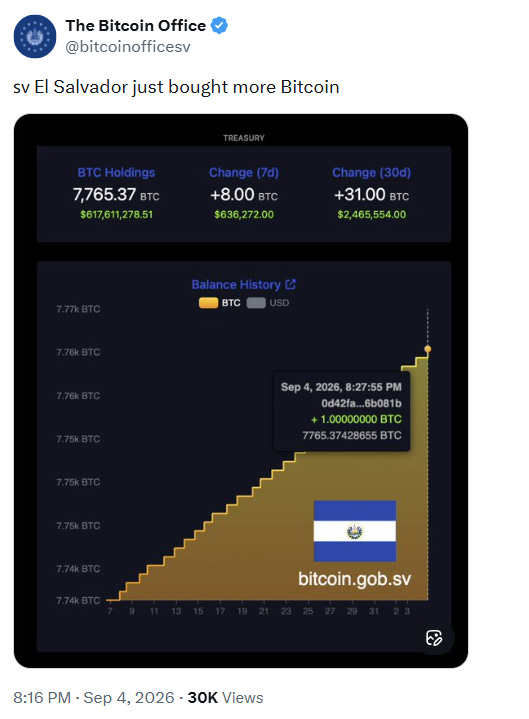
Five years ago this week, El Salvador made Bitcoin a legal currency. As usual on any El Salvador topic, Tim Muth has a great article as well; I recommend reading it.
The experiment failed to take off. Bukele’s announcement that Bitcoin would be an official currency set off a wave of foreign interest, including tourists, conference attendees, and expat tech entrepreneurs who traveled to the country to experience it. A promised $30 in Bitcoin for those who downloaded the government’s Chivo Wallet app also drove a brief surge of domestic use and interest. Businesses were required to accept Bitcoin for a time, though most never fully adopted the technology and those rules were rescinded.
Five years later, Bitcoin use in El Salvador remains similar to the rest of the world. Almost nobody uses it for day-to-day transactions. It amounts to less than one percent of the remittance market. Most of the foreign crypto-enthusiasts have soured on the Salvadoran Bitcoin dream.
The worst hypothetical consequences also never materialized. When El Salvador adopted Bitcoin, I was asked to think through a variety of crazy scenarios about how cryptocurrency could be abused in the country. Would MS-13 or the Sinaloa Cartel launder drug money through Bitcoin ATMs in San Salvador? Would Russian sanctions evasion be routed through Central America? Over the past five years, there have been a few crazy stories of criminal operations that have attempted schemes along those lines, but those were a small number of exceptionally weird events, not the general state of things.
Then again, given the lack of transparency, there may be awful corruption and crime stories that simply haven’t been reported yet.
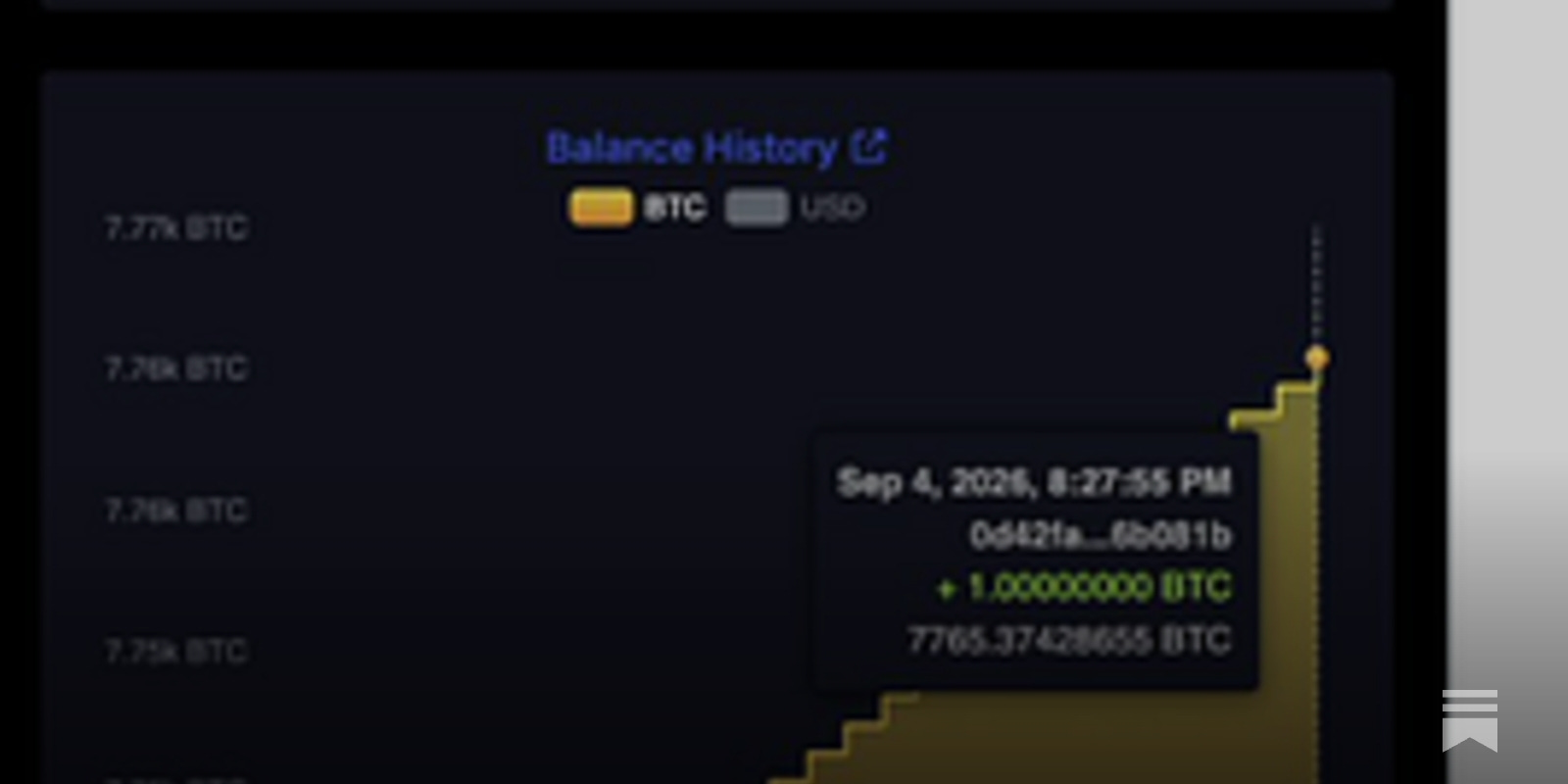
El Salvador’s government never fully explained its own bitcoin holdings. Bukele once joked about trading Bitcoin on his phone. That’s not how government assets work. If Bukele were to lose an election or was otherwise forced from office, would El Salvador own the Bitcoin or would the keys still be on the president’s phone? Recently, the Salvadoran government has told the IMF that none of the recent Bitcoin was purchased. It was all private gifts being transferred. That’s weird.
As I’ve argued previously, the IMF’s problem with El Salvador’s Bitcoin experiment was less about the international organization’s doubts about cryptocurrency and more about how Bukele was implementing it. There was/is a serious lack of transparency about where the funds for the Bitcoin came from, where and how the cryptocurrency was stored, transferred, and accounted for. El Salvador attempted to clear some of this up a few years ago by placing the Bitcoin on a government-owned wallet. The accounting is once again murky as the Salvadoran government continues to tells the public that it buys Bitcoin regularly while it tells the IMF that all recent purchases are private transactions and not government funds.
Two outstanding threads: The Chivo Wallet and Tether. When Bukele denied IMF reports about winding down certain Bitcoin trading, he said that only the Chivo wallet was moving to private control. Wait? The government is privatizing the crypto wallet that broke multiple times early on, had to change contractors to be coded again, and cost the government millions of dollars in development. So who gets it? How much are they paying the government for it? And how will they control it? This all seems quite important.
Meanwhile, connected to the Bitcoin story, Tether, the largest stablecoin company on the planet, is now domiciled in El Salvador (see my January 2025 post on the subject). Even if El Salvador’s Bitcoin experiment is failing, USDT is a global force, and it runs through the country. It’s the country’s largest business. And news about its influence remains limited.
What is the post-Bukele Bitcoin situation? The “post-Bukele” era is not discussed much, but it will happen some day. And as the other four points above hint at, the one thing that has never been clear is whether the Bitcoin experiment was El Salvador’s or Bukele’s.
The Bitcoin rules will remain on the books the day that Bukele leaves office. It’s possible that the next government will simply repeal it all, sell the Bitcoin it owns, and move on. But inertia means it is more likely that the next government keeps the laws and the experiment continues under new management. Either way, there will be investigations about what occurred under Bukele, and there may be disputes about the cryptocurrency that is hopefully still controlled by the new government.
There are over a half billion dollars of cryptocurrency at stake, as well as a rather unique legal environment that could be an interesting sandbox should the country ever get rule-of-law that exists beyond the caudillo at the top. In fact, what I wrote five years ago remains true today:
Bitcoin in El Salvador won’t succeed because of Nayib Bukele. In fact, he is the biggest risk to the issue. Benefits for most Salvadorans won’t come until the Bitcoin project is separated from the president’s personal and political agendas.
Thanks for reading.
Content Original Link:
" target="_blank">