



Just two years after the worst drought in the Panama Canal's history forced ships to wait weeks for passage and triggered multi-million-dollar bidding wars for transit slots, El Niño is again threatening
Just two years after the worst drought in the Panama Canal's history forced ships to wait weeks for passage and triggered multi-million-dollar bidding wars for transit slots, El Niño is again threatening the rainfall that feeds the waterway.
With El Niño strengthening and reservoirs shrinking, the industry is bracing for a repeat of the disruption at one of the world's most important waterways — and some ships are already taking long detours via Africa.
Earlier in August, the Panama Canal Authority walked back a previous pledge to not limit passage as it gears up for a longer-than-usual El Niño season.
1. Where does the canal get its water?
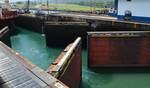
Unlike the Suez Canal in Egypt, the Panama Canal relies on fresh water to operate three sets of locks that allow ships to cross between the Pacific and Atlantic oceans through an 80-km (50-mile) artificial waterway.
Operations depend on two man-made reservoirs, Gatún and Alajuela lakes, which release millions of liters of water with each transit to raise and lower ships through the gravity-fed, century-old locks.
2. Why does El Niño matter for the Panama Canal?
Warming water half a world away in the Pacific Ocean can weaken the winds that bring
Content Original Link:
" target="_blank">