








Fatigue and “Familiar” Work Blamed for Serious Crew Injuries
In normal circumstances, the crew regarded boiler cleaning as familiar work. This is because at sea, heat from the main engine’s exhaust supplies the ship’s steam, allowing the oil-fired furnace to be switched off and cool for several days before cleaning. However, with the 2013-built Olivia having been at port for a prolonged period, the furnace was used to produce steam because the main engine was stopped. On this occasion, no objective check confirmed that the furnace had cooled to a safe temperature before cleaning began.
Investigators established that it was likely that disturbed heated soot ignited residual fuel as the air lance was withdrawn. This is because the boiler furnace needs to be isolated and verified as safely cooled before internal cleaning. However, the decision by the crew to blow compressed air into the hot furnace with unburned fuel ignited the explosion.
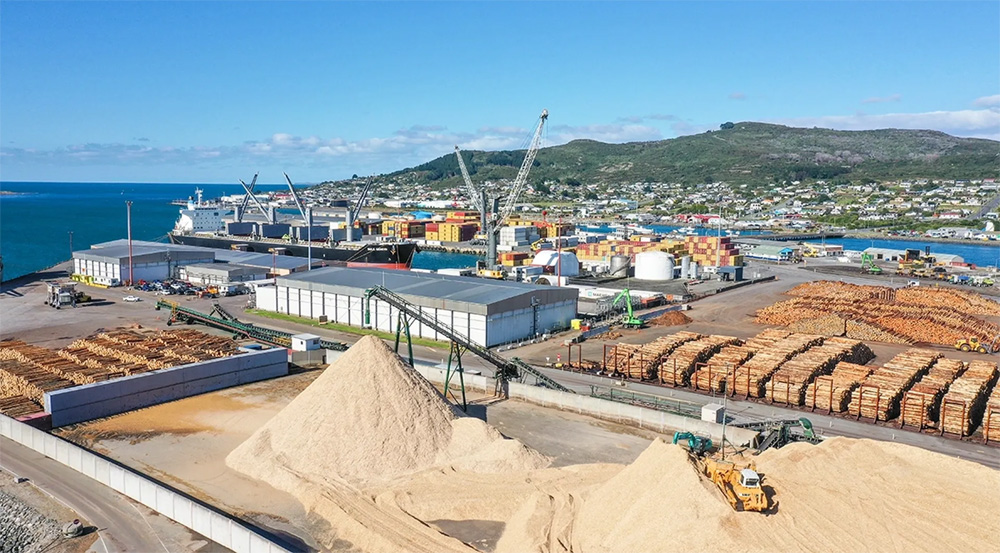
The report shows that the events leading to the explosion started to unfold while the Malta-registered Olivia, operated by Hong Kong firm Fleet Management, was sailing from Malaysia to NZ with a crew of 12. The vessel departed Bintulu, Malaysia, on March 24, and was expected to arrive in Bluff on April 15. During the voyage, the vessel encountered tough weather and also experienced main engine and generator issues, which saw her arrive in Bluff on April 23. Soon after berthing, Maritime NZ directed the vessel’s operator to make repairs before she could leave port. Apart from engine repairs, the vessel’s generators also required extensive refurbishment.
The Olivia had been scheduled to spend just five days in Bluff to discharge its cargo and load logs for export to China. However, the extensive mechanical issues that were identified led Maritime NZ to detain the vessel until satisfactory repairs had been carried out on the main engine and auxiliary engines.
Two teams operating on 12-hour shifts were tasked with carrying out the repairs. Most of the manpower, specifically engineers, were focused on the daytime generator repairs, with the night shift consisting of just three crew. The job list for the night shift crew, which was mainly cleaning, was prepared by engineers working the day shift, who were very likely fatigued, something that adversely affected their decision-making when approving the cleaning job.
The Olivia had been in Bluff for 32 days when the explosion occurred while the night shift crew was cleaning the vessel’s boiler. Two of the crew sustained serious burns, and the third suffered bruising. All three were taken to the hospital. There was no damage to the vessel.
TAIC was able to identify two safety issues in regard to the serious marine casualty incident. The first was inadequate implementation of the vessel’s safety management system, and the second was a lack of guidance for managing crew during sustained intensive work periods.

that matters most
Get the latest maritime news delivered to your inbox daily.
“Long repair programs need continuing attention to workloads, rest, and supervision. If an unexpected job is beyond people’s capability, it should be a straightforward decision to stop and get the right support,” said Louise Cook, TAIC Chief Investigator of Accidents.
Fleet Management has since taken action to address both issues, including reviewing procedures, protective equipment, and fleet training.
Content Original Link:
" target="_blank">


