

The Case for Embroidered Workwear: How Quality Uniform Branding Elevates a Professional Team

For businesses that want their team to project a premium, polished image in every interaction, embroidered workwear offers a level of quality and durability that printed alternatives find difficult to match. The raised texture and precision of a well-executed embroidered logo communicate craftsmanship and attention to detail, qualities that reflect well on any business and are immediately noticed by clients and customers. Suppliers like JRS Industrial Supplies offer professional embroidery services across a wide range of garments, giving businesses the tools they need to present their teams with a consistent, high-quality appearance that makes a genuine impression in every client interaction.
What Sets Embroidery Apart From Other Branding Methods
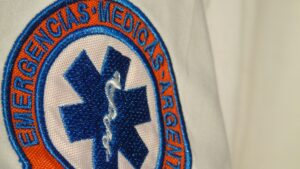
The visual difference between embroidered and printed branding on a garment is immediately apparent to most people, even if they cannot easily articulate exactly why. Embroidery has a physical depth and texture that printing cannot replicate; the threads stand out from the fabric and catch the light, giving the logo a crafted, premium appearance. This quality cue matters in professional contexts because it signals that the business has invested in its presentation rather than opting for the cheapest available option. For service businesses, contractors, and anyone whose team regularly meets clients face to face, this impression can have a tangible effect on how the business is perceived and how much confidence potential customers place in it.
Durability That Stands Up to Regular Washing
One of the practical advantages of embroidered branding that is often underestimated is its resilience compared to print. Printed logos, particularly those applied using lower-quality methods, can begin to crack, fade, or peel after repeated washing, which creates a deteriorating appearance that can actively work against the professional image the business is trying to project. Embroidered designs, by contrast, are woven into the fabric of the garment and are not affected by washing in the same way. With proper care, an embroidered logo will maintain its appearance throughout the garment’s working life, meaning the branding investment delivers consistent returns for much longer than most print alternatives can.
The Best Garments for Embroidered Branding
Embroidery works particularly well on certain garment types and fabric weights, and understanding these characteristics will help you make better choices when specifying a workwear order. Polo shirts, fleeces, sweatshirts, and outerwear such as softshell jackets are excellent choices for embroidered logos, as they provide a stable fabric surface that holds the stitching cleanly and produces a sharp, well-defined result. Lighter weight fabrics can be more challenging, as the fabric may not provide enough stability for fine detail embroidery without additional backing. For the clearest, most professional results, choosing an appropriate fabric weight and working with a supplier who can advise on placement and sizing will make a significant difference to the outcome.
Using Embroidery Strategically Across Different Team Roles
Embroidered workwear does not need to be limited to a single style of garment applied uniformly across an entire team. Some of the most effective workwear programmes use embroidery strategically across a range of different items, allowing each role or department to be equipped with the most appropriate garment while still maintaining a consistent branded identity across the business. A construction company might use embroidered polo shirts and fleeces for site managers, while also branding hi-vis vests for the wider workforce. A hospitality business might embroider the company name on formal shirts for front of house staff and on more durable polo shirts or jackets for kitchen and maintenance teams.
Minimum Orders and Lead Times: What to Expect
For businesses placing an embroidery order for the first time, understanding the typical minimum order quantities and lead times involved will help you plan effectively. Most suppliers require a minimum order quantity per design and per garment type because setting up the embroidery machine for a new design incurs a one-off digitisation cost that must be spread across a sufficient number of units to be commercially viable. Once this setup is complete, re-ordering the same design becomes straightforward and cost-effective. Lead times for embroidered workwear typically range from one to three weeks, depending on order size and supplier capacity, so factoring this into planning will help avoid difficulties when a new member of staff joins the team.
Making Embroidery Part of a Long-Term Uniform Strategy
The businesses that get the most value from embroidered workwear are those that treat it as part of a considered, long-term uniform strategy rather than a one-off purchase. This means establishing clear specifications for logo placement, thread colours, and approved garment styles, and documenting them so that future orders are consistent with existing items. It also means building in a replacement cycle for garments that wear out over time, rather than allowing individual members of staff to source their own clothing in a different style from a different supplier. A well-managed uniform programme creates a consistently professional appearance across the business, builds brand recognition over time, and sets a clear standard for how the team presents itself in all client-facing situations.
The post The Case for Embroidered Workwear: How Quality Uniform Branding Elevates a Professional Team appeared first on Container News.
Content Original Link:
" target="_blank">