


The possible collapse of U.S.-Iran peace talks and the stop-start flow of tankers through the Strait of Hormuz are a nightmare scenario for Gulf nations desperate to return to normal after a
The possible collapse of U.S.-Iran peace talks and the stop-start flow of tankers through the Strait of Hormuz are a nightmare scenario for Gulf nations desperate to return to normal after a bruising multi-month conflict.
What was meant to mark the start of a fragile recovery following the June 17 memorandum of understanding between Tehran and Washington is instead evolving into a period of chronic instability, with each new incident reinforcing doubts over the security of one of the world's most important energy arteries.
U.S. President Donald Trump on Wednesday declared that the interim agreement to end the war with Iran was "over" after the latest round of tit-for-tat attacks in the region.
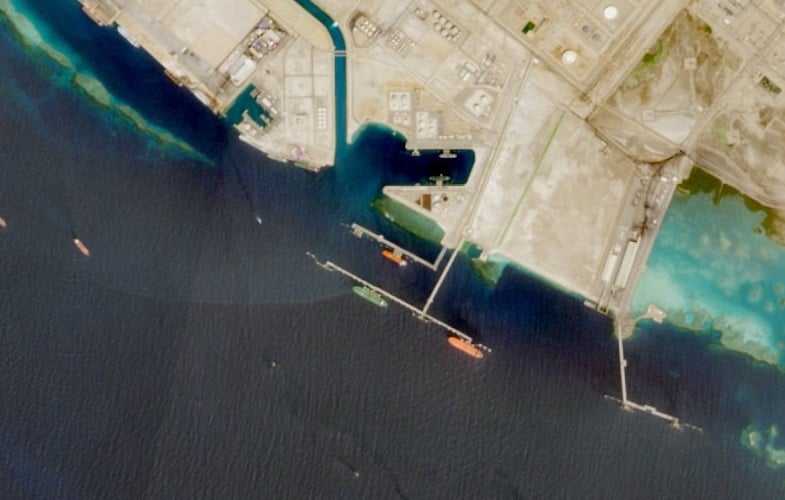
Tehran kicked off the escalation on Tuesday by reportedly striking Qatari and Saudi fuel tankers crossing the strait, an apparent attempt to underline its longstanding claim that it should maintain control over the narrow waterway. The U.S. responded with strikes on dozens of targets across Iran, prompting attacks by Tehran against U.S. military facilities in Bahrain and Kuwait.
The latest confrontation is not the first violation of the MOU, but it is by far the most serious. Crude oil prices LCOc1surged 6% on Wednesday to a two-week
Content Original Link:
" target="_blank">