



Lloyd's Register (LR) has warned that ship operators are facing a growing risk from fuels that appear compliant under routine ISO 8217 testing but still present operational risks once onboard.According to LR’s
Lloyd's Register (LR) has warned that ship operators are facing a growing risk from fuels that appear compliant under routine ISO 8217 testing but still present operational risks once onboard.
According to LR’s latest Fuel Oil Bunker Analysis and Advisory Service (FOBAS) Fuel Quality Report, covering the first half of 2026, off-specification fuels remain a persistent challenge. However, some of the most disruptive cases now involve fuels that pass routine compliance testing but show poor stability or compatibility, or contain non-conventional blend components that are only identified through more detailed investigative analysis.
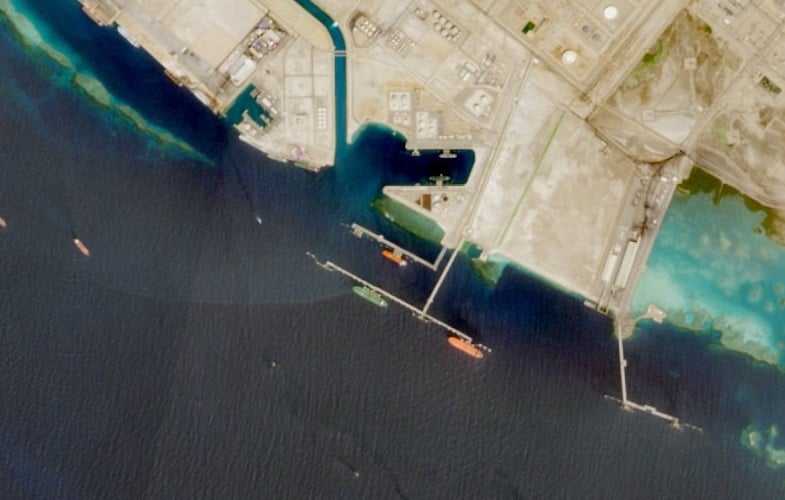
Several incidents investigated highlighted this trend. In March and April, a number of vessels reported operational difficulties after bunkering fuel in a major bunkering hub. Further forensic analysis found that many of the fuels contained elevated concentrations of Estonian shale oil, in some cases estimated to be around 10-15%.
While shale oil is recognised within ISO 8217 as an acceptable blend component, FOBAS investigations found that higher concentrations can be associated with fuel instability and operational issues affecting filters, separators and fuel pumps.
The report also shows that fuel quality variability remains stubbornly high. Off-specification cases remained elevated throughout the first six months of 2026, suggesting that
Content Original Link:
" target="_blank">