Modern dredging vessels can comfortably compete as being one of the most mechanically demanding ships in service today. Whether configured as cutter suction dredgers or trailing suction hopper dredgers, they are required
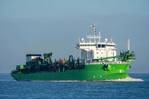
Modern dredging vessels can comfortably compete as being one of the most mechanically demanding ships in service today. Whether configured as cutter suction dredgers or trailing suction hopper dredgers, they are required to manage extreme torque fluctuations, high power transmission, and long operating hours in harsh marine environments – all while being expected to maintain their uptime and productivity without concern.
Unlike conventional vessels, however, dredgers impose unique stresses on their drivetrains. Cutter heads striking compacted seabeds or rock, controlled engagement of high inertia centrifugal pump systems, long shaft lines, and partially or fully submerged components all work together to impose a heavy-duty cycle where overloads and shock events are more frequent. For vessel designers and operators, drivetrain reliability is inseparable from dredging performance.
A System-Level View
Within these high-capacity dredgers – which often operate at immense power levels – the drivetrain must be engineered as a fully integrated system. Typical configurations can include diesel engines or electric motors driving reduction gearboxes via pneumatic clutch and flexible coupling combinations, which in turn transmit power through heavy-duty driveshafts and high-capacity couplings to the dredge pumps or cutter heads.
Because of this integration, each component plays a critical role in absorbing shock
Content Original Link:
" target="_blank">