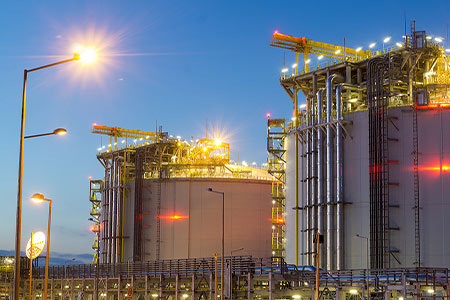




A drone strike that damaged two gas tankers in Egyptian waters has renewed energy security concerns about the nearby Suez Canal and a related pipeline, a vital export route for Saudi Arabian
A drone strike that damaged two gas tankers in Egyptian waters has renewed energy security concerns about the nearby Suez Canal and a related pipeline, a vital export route for Saudi Arabian oil since the beginning of the Iran war.
Even as Iran and its Houthi allies have fired on tankers transiting the Strait of Hormuz and Bab el-Mandeb, Egypt's Suez Canal and Sumed pipeline continued to offer safe, northbound export routes for Saudi Red Sea energy cargoes.
While no party has claimed responsibility for Wednesday's attack on the tankers at Egypt's port of Damietta, which is located on a branch of the Nile Delta close to the Mediterraean, or publicly threatened the Suez Canal, the potential risk to the chokepoint has added to market concerns.
"The passage through the Red Sea, even via the longer Mediterranean route, could be put at risk, which threatens up to five million barrels per day of oil supply that can currently bypass the Strait of Hormuz," said Saul Kavonic, head of energy research at advisory company MST Marquee.
Hardly any tankers are passing through the Gulf's chokepoint at Hormuz, previously the route for about a fifth of global oil and liquefied natural gas
Content Original Link:
" target="_blank">