



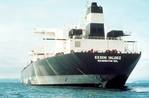
When the EXXON VALDEZ ran aground in Prince William Sound on March 24, 1989, it was an action-forcing event that led to what was the most substantial overhaul of our federal oil
When the EXXON VALDEZ ran aground in Prince William Sound on March 24, 1989, it was an action-forcing event that led to what was the most substantial overhaul of our federal oil spill prevention, preparedness, and response regime in the Nation’s history. But the event that really got policymakers and experts started thinking about such a sweeping re-rack of federal law actually occurred a decade earlier—the Ixtoc One blowout in Mexico’s Bay of Campeche in 1979.
If Ixtoc sounds eerily similar to the Macondo blowout (i.e., DEEPWATER HORIZON) off the coast of Louisiana in 2010, that’s because it is. Ixtoc One was an exploratory oil well being drilled by Mexico’s government-owned oil company Petróleos Mexicanos, or PeMex, in 1979. On June 3, 1979, circulation of drilling mud to the well failed, causing a blowout, explosion, and fire that resulted in the destruction and sinking of the rig involved. For ten months, the well spewed oil at a rate initially estimated to be 30,000 barrels (1.26 million gallons) per day. That flow rate was later reduced by about one-third by pumping nearly 100,000 metal balls into the well. The well was eventually capped with a “sombrero” coffer dam on March 23,
Content Original Link:
" target="_blank">