

Autonomy is often described as removing people from operations. That’s not quite right.It’s not a case of people ‘simply’ being replaced by machines. It’s about the move from vessel-centered operations to shore-enabled
Autonomy is often described as removing people from operations. That’s not quite right.
It’s not a case of people ‘simply’ being replaced by machines. It’s about the move from vessel-centered operations to shore-enabled operations.
People still matter, but their roles, locations and relationships with the operation change fundamentally. Uncrewed doesn’t mean unattended.
Control is redistributed, not removed
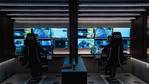
In our coastal surveillance work in the Middle East, multiple vessels can operate simultaneously under the oversight of an onshore control center. The vessels may not have people on board, but the operation is still actively managed. Operators monitor activity and intervene when required. Control isn’t removed; it is redistributed.
This doesn’t just change where people sit, it changes what they spend their time on. By taking on the repetitive and perhaps mundane tasks, technology gives people more capacity to focus on the work that genuinely requires their expertise, operational judgement, problem solving and technical oversight.
We see the same shift in our work for major energy companies. On large, lean-crewed survey operations, activity that would once have depended on more specialists being offshore is now increasingly supported from shore. Remote payload control from our Remote Operations Centre (ROC), remote ocean bottom
Content Original Link:
" target="_blank">