



The U.S. is expanding its icebreaking fleet to strengthen Arctic and domestic access, and support commercial shipping, seabed resources, subsea cables and fisheries. Current plans include 1–3 heavy Polar Security Cutters (PSCs),
The U.S. is expanding its icebreaking fleet to strengthen Arctic and domestic access, and support commercial shipping, seabed resources, subsea cables and fisheries. Current plans include 1–3 heavy Polar Security Cutters (PSCs), 11 medium Arctic Security Cutters (ASCs), seven Homeland Security Cutter (HSC) HSC-L (light) icebreakers, 11 HSC-Ms (medium) and one additional heavy HSC-H (heavy). But as delays and cost overruns on the Polar Security Cutter (PSC) Program shows, while major opportunities exist for the U.S. supply chain in icebreaking construction and sustainment, many challenges also exist with the complex projects.
Extending the Service Lives of Existing Vessels
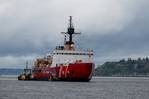
The United States Coast Guard (USCG) operates a small, aging icebreaking fleet comprising Polar Star (heavy polar icebreaker, built 1992), medium polar icebreakers Storis (built 1992) and Healy (built 1999), Antarctic research vessel Sikuliaq (built 2014), nine 140-foot Bay-class inland icebreakers (built between 1979 and 1988) and Great Lakes heavy icebreaker Mackinaw (2006 built). The Edison Chouest-owned Antarctic research vessels Nathaniel B. Palmer and Laurence M. Gould are currently idle following lease cancellations, while a proposed ~$1 billion Antarctic Research Vessel remains unfunded. Given the long lead time for new icebreakers, the Coast Guard is extending existing vessels through its In-Service
Content Original Link:
" target="_blank">