



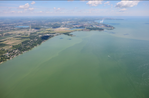
NOAA and its research partners are forecasting a moderate harmful algal bloom (HAB) in western Lake Erie this summer. This year’s bloom is expected to measure 3.5 on the HAB severity index,
NOAA and its research partners are forecasting a moderate harmful algal bloom (HAB) in western Lake Erie this summer. This year’s bloom is expected to measure 3.5 on the HAB severity index, with a potential range of 3 to 4.5.
“Toxic algae affect not only the health of people and Great Lakes ecosystems, but they can negatively impact local and regional economies by preventing people from fishing, swimming, boating and visiting the shoreline,” said Nicole LeBoeuf, assistant administrator for NOAA’s National Ocean Service. “NOAA’s Lake Erie harmful algal bloom forecast is designed to provide timely, science-based information to water managers and public health officials as they make decisions to protect their communities and visitors.”
The HAB severity index is based on the bloom’s biomass (the amount of algae) during the peak 30 days of the bloom. Moderate blooms have an index of 3 to 5, while an index above 5 indicates more severe HABs. Blooms over 7 are particularly severe, with extensive scum formation and persistent bloom coverage affecting the lake.
NOAA expects to see a visible bloom by mid-July. The bloom’s timeline will depend on the frequency of high winds in September, which cannot be predicted this far in
Content Original Link:
" target="_blank">