


The integration of an interferometric 3D side-scan sonar (3DSS) into SEABER's MARVEL micro-AUV represents the first time worldwide that such a payload has been successfully miniaturized for a micro-AUV platform. Based on
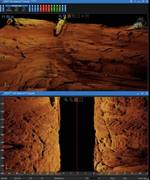
The integration of an interferometric 3D side-scan sonar (3DSS) into SEABER's MARVEL micro-AUV represents the first time worldwide that such a payload has been successfully miniaturized for a micro-AUV platform.
Based on patented CAA 7/ technology, the 3DSS simultaneously delivers high-resolution 2D imagery, true 3D seabed reconstruction, and centimetric-scale bathymetry from a single, compact system. In operational testing, a single MARVEL-3DSS mapped a 300 × 150-meter beach approach zone in under 30 minutes, up to ten times faster than legacy solutions, with minimal acoustic signature and no requirement for specialist personnel. This breakthrough enhances amphibious beach reconnaissance capabilities for naval forces, special operations units, and mine countermeasure teams operating in contested littoral environments.
The Limits of Existing Reconnaissance Methods
In modern littoral warfare, precise knowledge of the seabed is essential before any amphibious landing. Channels, sandbars, obstacles, mines, and sediment structure all directly affect landing craft routes, timing, and survivability, yet existing reconnaissance methods each carry significant operational constraints.
Combat divers offer high precision but are slow, cover limited areas, and face serious exposure risks in contested environments. Towed sonar systems provide better coverage but remain highly detectable from the surface and perform poorly in shallow waters. Small autonomous underwater
Content Original Link:
" target="_blank">