

Professional lightweight ROVs are moving beyond visual observation to support positioning, 3D modeling and nondestructive testing—without the deployment footprint of a work-class system.Subsea inspection has traditionally relied on commercial divers, large work-class
Professional lightweight ROVs are moving beyond visual observation to support positioning, 3D modeling and nondestructive testing—without the deployment footprint of a work-class system.
Subsea inspection has traditionally relied on commercial divers, large work-class ROVs and small camera platforms. A growing number of routine missions now fall between those categories.
Operators may need to inspect a platform node, follow several kilometers of pipeline or return to the same wind foundation for comparison months later. These jobs demand stable maneuvering, professional sensors and traceable data, yet may not require a large vessel spread or complex launch-and-recovery system.
That gap is expanding the role of professional lightweight ROVs. Their value lies not simply in being smaller, but in being easier to mobilize, configurable around the mission and capable of returning information that engineering teams can review and compare.
From Video Platform to Data Platform
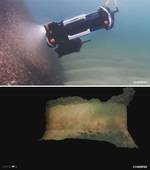
Optical video remains central to underwater inspection, but it is increasingly only one part of the record. Imaging sonar can extend visibility in turbid water. DVL and USBL systems can connect observations to position. Three-dimensional scanning can create a measurable structural model, while ultrasonic thickness and cathodic protection tools add information that images alone cannot provide.
For manufacturers, this changes
Content Original Link:
" target="_blank">