


Demand for high-capability offshore support vessels for floating offshore wind is expected to strengthen in the late 2020s, with availability constraints emerging in some segments as early as 2029…
Published
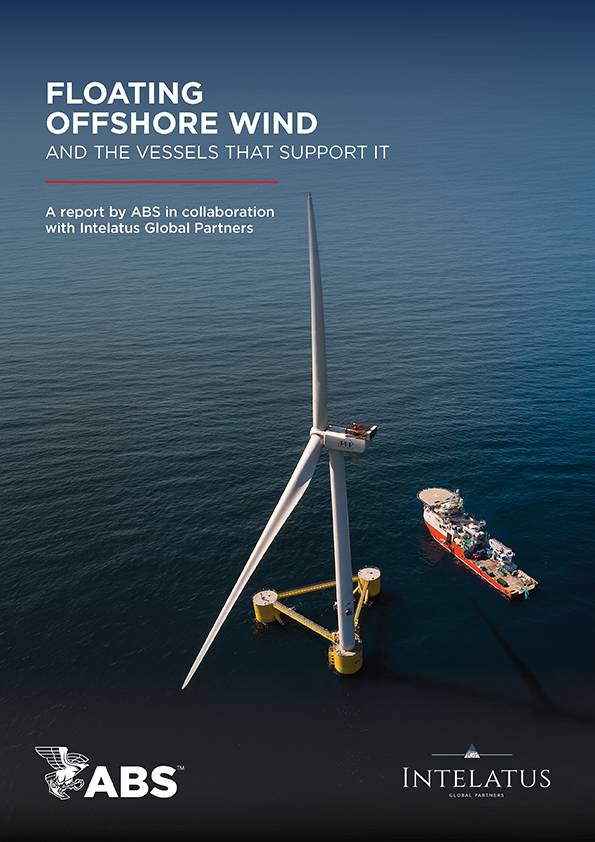
Demand for high-capability offshore support vessels for floating offshore wind is expected to strengthen in the late 2020s, with availability constraints emerging in some segments as early as 2029, according to a new report from ABS.
Produced by ABS in collaboration with Intelatus Global Partners, Floating Offshore Wind and the Vessels That Support It examines the role large anchor handling tug supply vessels (AHTSs) and multipurpose support vessels (MPSVs) are expected to play in project execution, as well as the implications for vessel suitability, upgrades and future fleet needs.
“Floating offshore wind presents a distinct set of challenges, particularly around vessel capability, mooring systems and project execution,” said Rob Langford, ABS Vice President, Global Offshore Markets. “This report highlights where existing offshore experience can be applied, while also identifying the areas where planning, investment and technical readiness will be increasingly important as projects develop.”
The report indicates floating wind projects are expected to increase demand for vessels supporting towing, mooring installation, hook-up and cable operations. As projects advance in Europe and Asia-Pacific, the industry will need enough vessels capable
Content Original Link:
" target="_blank">