

A new shuttling system is reshaping the Middle East oil market, as producers seek to keep exports flowing despite the escalating regional conflict. The question now is whether this complex…
A new shuttling system is reshaping the Middle East oil market, as producers seek to keep exports flowing despite the escalating regional conflict. The question now is whether this complex, expensive process is a stopgap measure or the global energy market’s new normal.
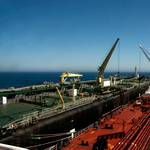
Several miles off Oman's coast, south of the Strait of Hormuz, rows of tankers lie at anchor. Many sit alongside each other, connected by ropes and hoses as they transfer crude from one vessel to another, creating a floating bridge between the Middle East's oilfields and the global market.
Ship-to-ship (STS) transfers have become a vital lifeline for Gulf producers as they adapt to the disruptions caused by the Iran war, now entering its seventh month. Once loaded, a tanker disconnects and heads for its destination, typically a refinery in Asia. The “mother vessel” then returns to the Gulf via Hormuz to reload and repeat the process.
The system cuts the distance any one ship must travel, reducing the risk of transiting the strait, even as an increasing number of tankers are crossing through a narrow corridor along Oman's coastline under US naval protection, with their navigation systems switched off.
Exports through Hormuz have reached around 6.5 million
Content Original Link:
" target="_blank">