





Social interaction is a core component of wellbeing and longevity
Social interaction is not simply an enjoyable part of life. A growing body of evidence suggests that meaningful relationships, a sense of belonging and regular contact with others can influence physical health, mental wellbeing and even longevity.
For seafarers, who may spend months living and working within the same confined environment, social connection should therefore be viewed as a core welfare and operational consideration.
Why social connection matters for health
The World Health Organization estimates that one in six people worldwide experiences loneliness. Its 2025 report on social connection also found that loneliness was associated with approximately 871,000 deaths annually between 2014 and 2019, equivalent to around 100 deaths every hour.
Earlier research provides further evidence of the relationship between social ties and longevity. A meta-analysis published in PLOS Medicine, covering 148 studies and more than 308,000 participants, found that people with stronger social relationships had a 50% greater likelihood of survival during the studies’ follow-up periods.
Social connection can support health through several pathways. Supportive relationships help people regulate stress, encourage healthier behaviours and provide practical or emotional assistance during difficult periods.
Conversely, social isolation and loneliness are associated with increased risks of depression, anxiety, cardiovascular disease, stroke, dementia and premature death.
The US Department of Health and Human Services reports that social isolation is associated with a 29% higher risk of premature mortality, while poor social relationships are associated with a 29% higher risk of heart disease and a 32% higher risk of stroke.
What this means at sea
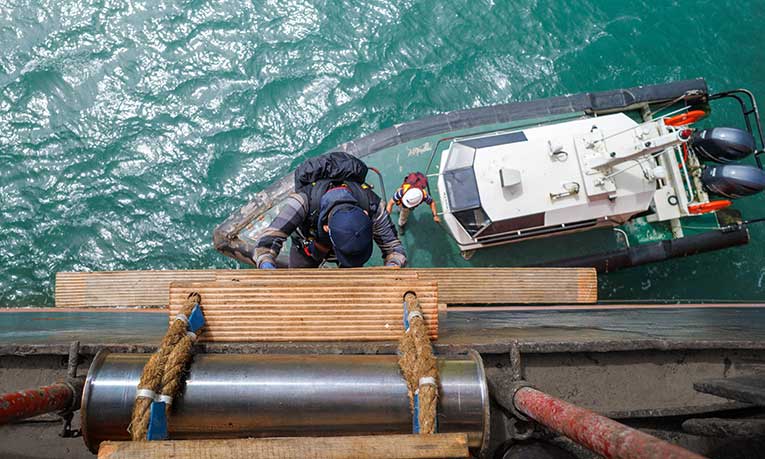
Life at sea creates particular social challenges. Seafarers are separated from family and established support networks, while fatigue, long working hours, operational pressures, cultural differences and onboard hierarchies can limit opportunities for meaningful interaction.
Phase Three of ISWAN’s Social Interaction Matters Project studied 176 seafarers across six commercial, cruise and superyacht vessels over three months. Using wellbeing surveys, wearable technology and qualitative feedback, the research found that focused attention on social life – including the appointment of a crew Social Ambassador – supported morale, reduced stress and strengthened team cohesion.
However, experiences differed according to vessel type, rank, gender and working environment. Navigation and engineering officers reported lower social engagement, while women participating on cruise ships and superyachts reported greater mental and physical exhaustion than men, even after workload and sleep were considered. This demonstrates why welfare initiatives must be tailored rather than imposed through a one-size-fits-all approach.
The 2025 SEAFiT Crew Survey, covering approximately 22,000 seafarers across 1,700 vessels, similarly found that crew members wanted stronger camaraderie and less isolation, including through game nights, group recreation and structured team-building activities.
Turning connection into everyday practice
Companies can support social wellbeing by protecting rest time, providing reliable connectivity, improving communal and outdoor crew spaces and enabling regular shore leave. Social Ambassadors can coordinate inclusive, low-pressure activities, while leaders should encourage respectful communication and participation across ranks.
Importantly, a healthy social environment does not mean compulsory socialising. Seafarers also need privacy, recovery time and the freedom to choose when to participate.
A vessel is not only a workplace; it is the crew’s home for months at a time. Treating social connection as part of everyday shipboard life can help create healthier, more resilient and more cohesive crews—and may ultimately support safer and more sustainable operations.
Content Original Link:
" target="_blank">