


Australia has completed its first green ammonia bunkering operation, transferring certified green ammonia to an ammonia-powered dry bulk carrier at
Australia has completed its first green ammonia bunkering operation, transferring certified green ammonia to an ammonia-powered dry bulk carrier at the Port of Port Hedland, Western Australia.
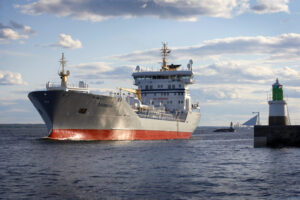
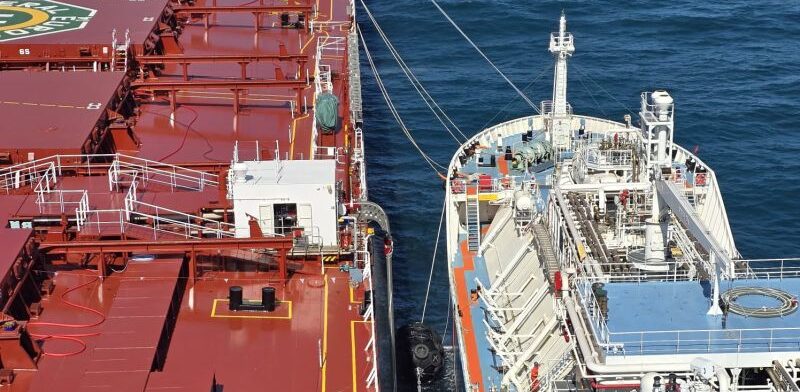
The operation took place on 2 November 2026, when the 300-meter Mineral Europa, described as the world’s first ammonia-powered dry bulk carrier, received green ammonia from a bunker vessel before entering port to load iron ore. The vessel is on charter to Fortescue and will transport iron ore to customers in China.
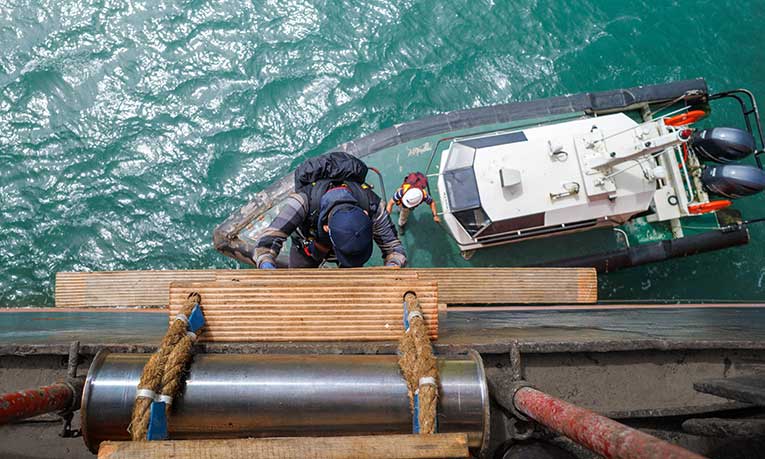
The ship-to-ship transfer was carried out by Pilbara Ports, Fortescue and CMB.TECH, in coordination with regulators and operational teams. The operation was completed in two hours, with its successful conclusion confirmed at 8:42 a.m. Australian Western Standard Time.
Safety measures during ammonia bunkering
According to Pilbara Ports, the operation required extensive safety planning and risk management to address the challenges of transferring ammonia in an operational port environment.
Preparations included hazard and risk assessments, ship-to-ship compatibility studies, ammonia dispersion modeling, emergency response planning, vessel vetting, pilotage and towage arrangements, and dedicated bunkering procedures.
The transfer was conducted under controlled conditions, with defined weather and sea-state limits, additional marine support, vessel traffic management measures and vessel readiness requirements.
Pilbara Ports confirmed that the trial proceeded only after all safety and operational requirements had been assessed and found satisfactory.
Samuel McSkimming, CEO of Pilbara Ports, said the operation demonstrated that ammonia bunkering could be safely planned and conducted at one of the world’s largest bulk export ports.
Supporting future ammonia bunkering operations
The trial builds on the world’s first ship-to-ship ammonia transfer, conducted at the Port of Dampier in 2024, and supports the development of the Pilbara Clean Fuel Bunkering Hub, which aims to establish clean fuel bunkering capabilities in Western Australia.
Green ammonia, produced using renewable energy, contains no carbon and does not release carbon dioxide when used as marine fuel. However, its use requires specific safety measures due to ammonia’s toxicity and associated handling risks.
Fortescue has previously demonstrated ammonia as a marine fuel through its Green Pioneer vessel. In addition to Mineral Europa, the company charters nine other CMB.TECH vessels that can be converted to operate on ammonia in the future.
Dino Otranto, CEO of Fortescue Metals, said the trial represented progress toward supplying the company’s chartered vessels with ammonia produced in Australia using renewable energy.
The findings from the Port Hedland operation will now be reviewed to inform future ammonia bunkering activities and support the next development phase of the Pilbara Clean Fuel Bunkering Hub.
Content Original Link:
" target="_blank">