




Orders for alternative-fueled vessels reached 364 in the first ten months of 2026, marking a 57% increase compared with the
Orders for alternative-fueled vessels reached 364 in the first ten months of 2026, marking a 57% increase compared with the same period last year, according to the latest figures from DNV’s Alternative Fuels Insight (AFI) platform.
In October, 53 new orders were recorded, extending the strong ordering activity observed since the summer. Kristian Hammer, Head of Alternative Fuels Insight at DNV, shared the figures on LinkedIn, highlighting continued investment in alternative-fuel vessels, particularly in the container ship and car carrier segments.
The latest figures follow a particularly active September, when DNV recorded 69 alternative-fueled vessel orders, the highest monthly total since October 2024. That performance brought third-quarter orders to 168 vessels, the strongest quarterly result in two years.
LNG continues to dominate new orders
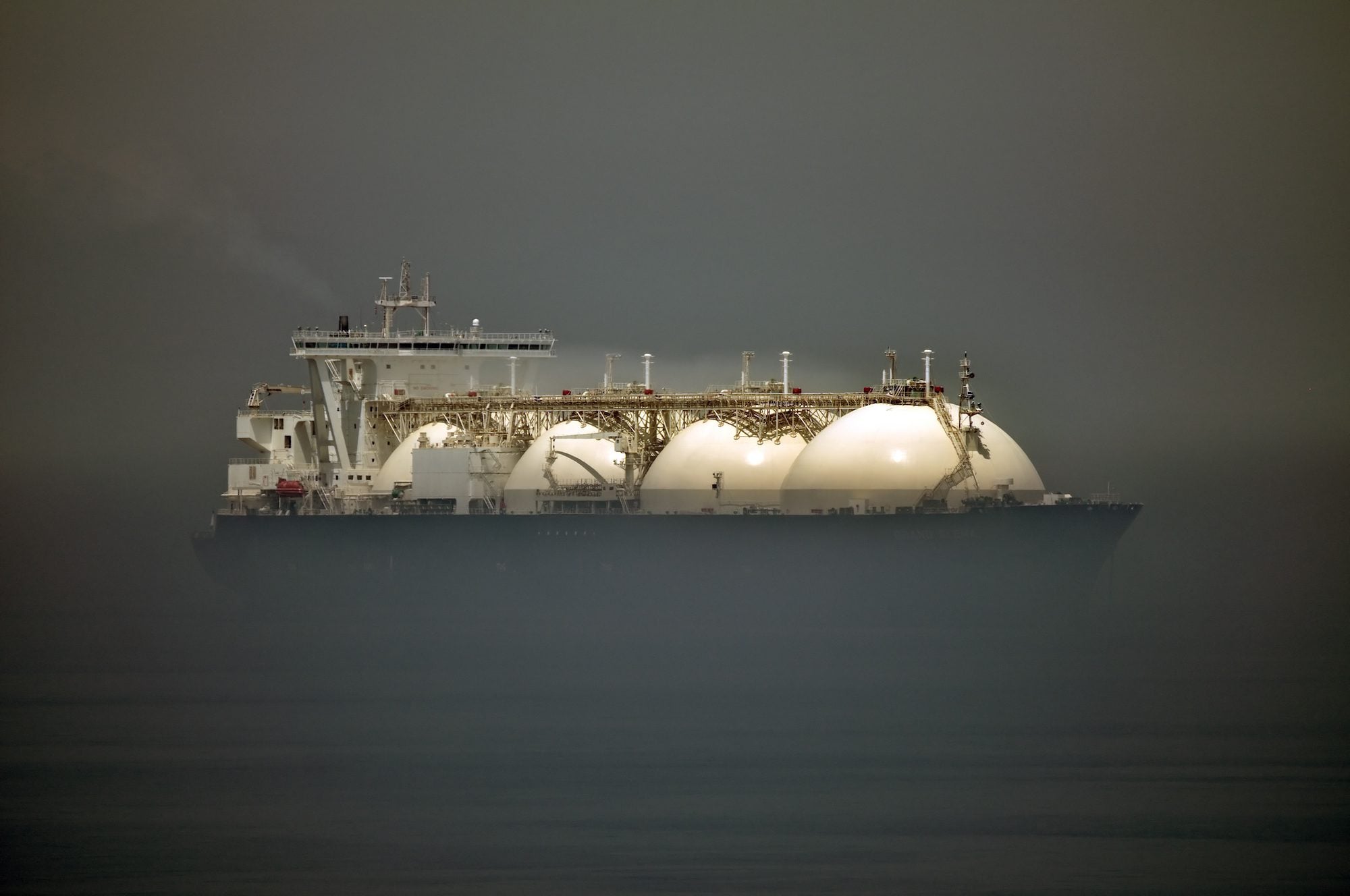
LNG remained the leading alternative fuel in October, accounting for 30 new vessel orders, including 18 container ships and 12 car carriers. An additional 19 orders were recorded for LPG carriers.

During the first ten months of 2026, LNG-fueled vessels accounted for 230 orders, representing approximately 64% of all alternative-fuel vessel orders recorded during the period.
Container ships represented the largest share of LNG orders, with 134 vessels, followed by car carriers with 75. Together, these two segments accounted for approximately 90% of LNG-fueled vessel orders so far this year.
The concentration of orders in these vessel categories highlights the continued preference for LNG in shipping segments where fuel availability and established bunkering infrastructure can support investment decisions.
Ammonia orders signal diversification
Beyond LNG and LPG, four ammonia-fueled car carriers were added to DNV’s AFI database in October, indicating continued interest in emerging fuel technologies, although adoption remains uneven across different fuel types.

Port readiness remains a challenge
The increase in alternative-fuel vessel orders comes as questions remain over whether port infrastructure and fuel supply can keep pace with fleet investment.
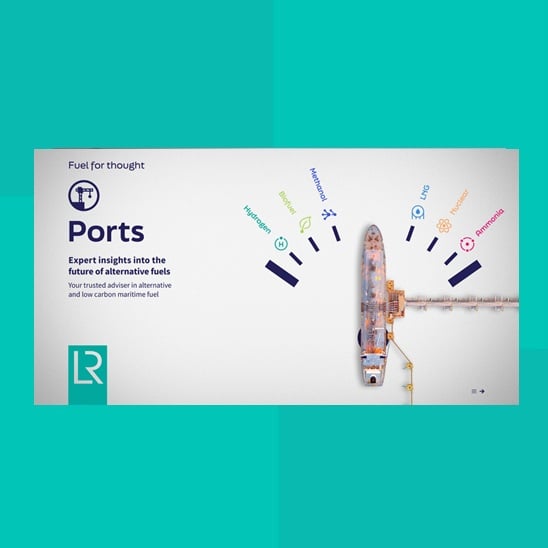
A recent Lloyd’s Register report identified a growing mismatch between alternative-fuel vessel orders and port readiness, with methanol bunkering available at only 25 ports worldwide and commercial ammonia bunkering recorded at just one port as of the report’s reference dates. The findings underline the gap between vessels being ordered and the infrastructure required to support their future operations.
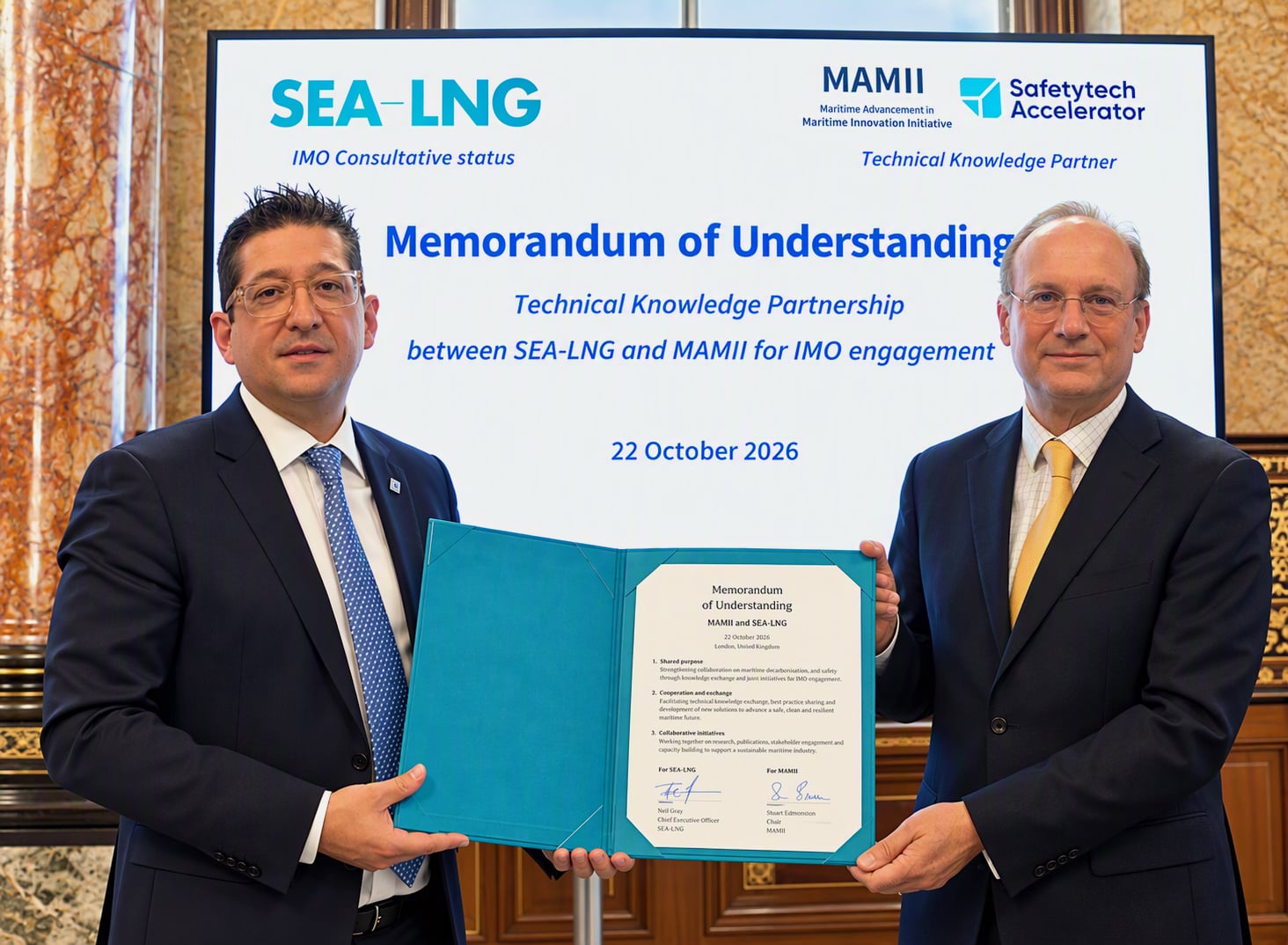
Meanwhile, LNG’s growing share of new orders also brings renewed attention to methane emissions. Recent cooperation between SEA-LNG and the Methane Abatement in Maritime Innovation Initiative focuses on improving methane measurement and abatement technologies, as methane slip remains an important factor in determining the overall greenhouse gas performance of LNG-fueled vessels.
Overall, DNV’s latest figures indicate that investment in alternative-fuel vessels continues to accelerate, although LNG remains the dominant choice and the development of other fuel pathways is progressing at different speeds. The trend highlights the importance of aligning newbuilding investment with fuel availability, infrastructure development and safe operating practices.
Content Original Link:
" target="_blank">