



Eight Japanese organizations have joined forces to develop remote-sensing technology capable of measuring greenhouse gas (GHG) emissions directly from ships.
Eight Japanese organizations have joined forces to develop remote-sensing technology capable of measuring greenhouse gas (GHG) emissions directly from ships.
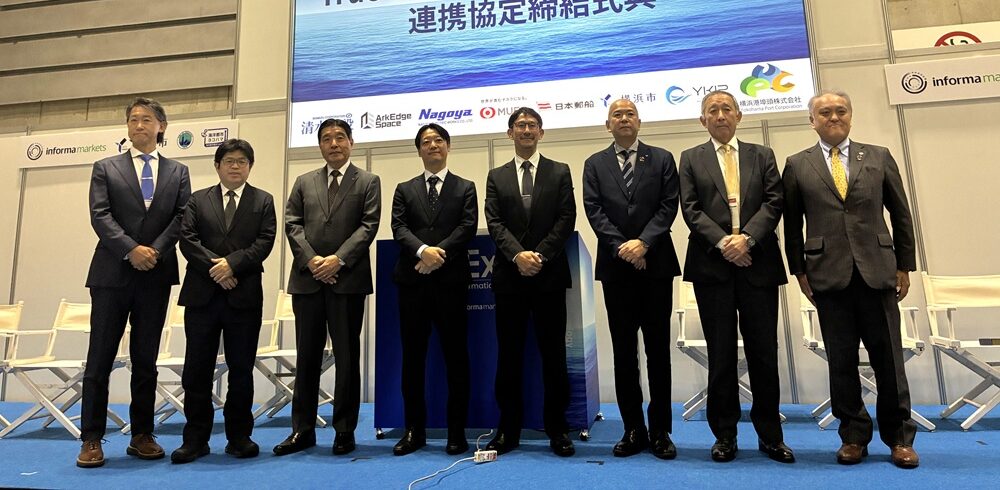
On November 25, the organizations signed a cooperation agreement to advance the True Emission Eye – Maritime project, which aims to quantify and visualize ship emissions without requiring physical contact with vessels.
The consortium comprises: NYK Line, MUFG Bank, Nagoya Electric Works, ArkEdge Space, Shimizu Corporation, City of Yokohama, Yokohama-Kawasaki International Port Corporation and Yokohama Port Corporation.
Currently, GHG emissions from ships are primarily calculated based on the type and quantity of fuel consumed. The project seeks to complement these calculations through direct measurements, improving the accuracy, objectivity and transparency of emissions data.
How the technology works
The proposed technology uses the ability of gases such as carbon dioxide to absorb and emit light at specific wavelengths. Optical observations of ship exhaust are combined with additional information, including the distance to the vessel and weather conditions, to calculate GHG emissions.
Testing has already been conducted on NYK Group vessels both at berth and underway, with researchers comparing remotely collected observations against actual vessel data.
The Port of Yokohama will serve as the project’s primary demonstration site, where the partners will continue testing the technology under different operating and environmental conditions.
Exploring satellite-based emissions monitoring
Looking ahead, the consortium will explore fixed monitoring stations in ports, alongside the technical requirements for measuring ship emissions from satellites and integrating satellite observations with ground-based data.
The potential use of drones and satellites could eventually enable emissions monitoring across wider geographical areas, providing greater insight into the decarbonization progress of individual vessels.
Through the initiative, the eight organizations aim to improve the transparency of ship emissions data, support fairer market conditions and contribute to the decarbonization of shipping and port operations.
Content Original Link:
" target="_blank">