




Iran’s subsea cable threats put unusual tanker movements under scrutiny
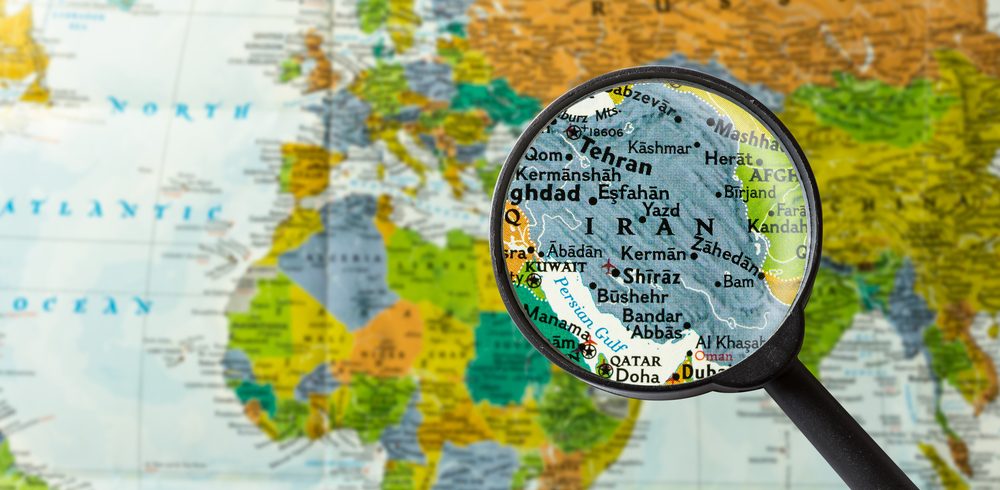
Windward has identified two sanctioned, Iran-linked tankers displaying prolonged drifting activity near subsea communications cable routes in the Gulf of Oman and Arabian Sea, shortly before Iranian officials publicly raised the possibility of targeting critical infrastructure in the Strait of Hormuz.
According to the analysis, the movements of the two vessels were examined alongside recent Iranian statements concerning underwater communications infrastructure. The findings raise questions about potential security risks to subsea cable networks, although Windward stressed that neither vessel’s activity could be confirmed as a surveying operation or preparation for sabotage.
Sanctioned tankers recorded drifting near cable corridors
According to Windward’s Maritime Intelligence Operations Centre (MIOC), the two OFAC-sanctioned tankers, both linked to Iran, spent several days drifting over regional subsea cable corridors during the weeks preceding an October 19 statement by Iran’s Islamic Revolutionary Guard Corps (IRGC).
The analysis identified two separate incidents:
September 30–October 3: A sanctioned tanker drifted for approximately 73 hours off Muscat, Oman, at an average speed of 0.6 knots. Its movements crossed or approached several cable corridors, including AAE-1, 2Africa, FALCON and Gulf Bridge International (GBI). Windward also reported that the vessel had changed its MMSI, call sign and flag code four days before the drifting period. Satellite imagery independently confirmed its position on October 1.
October 4–9: A second sanctioned tanker remained drifting for approximately 115 hours in the central Arabian Sea, maintaining a median speed of 0.6 knots. Its track crossed five subsea cable routes, including AAE-1, IMEWE and SeaMeWe-4, in waters approximately 3,700 metres deep.
Both vessels subsequently resumed normal sailing speeds.
Iranian statements raise concerns over underwater infrastructure
The vessel movements preceded remarks made on October 19 by IRGC spokesman Hossein Mohebbi, who referred to seven major internet cables running beneath the Strait of Hormuz and warned that Iran could introduce new targets and weapons.
According to Windward, six operational subsea communications cable systems currently cross the Strait, with two additional systems expected in 2027. The existing infrastructure connects Gulf countries to international communications networks, making the waterway strategically important beyond its role as a major shipping and energy transportation route.
Windward identifies Iraq, Kuwait, Bahrain and Qatar as particularly exposed because their international subsea cable connections depend on routes passing through Hormuz.
By comparison, the United Arab Emirates, Oman and Saudi Arabia have alternative subsea connections outside the Strait, providing greater geographical diversity. The analysis nevertheless notes that disruption to individual cable systems would not necessarily result in a complete loss of connectivity, as alternative communications arrangements may remain available.
Cable security adds another dimension to Hormuz risks
Windward’s findings highlight the potential vulnerability of underwater infrastructure amid continuing maritime security tensions in the region.
Subsea communications cables support international data connectivity and are located in waters also used by commercial shipping and other maritime operations.
For maritime authorities and infrastructure operators, monitoring unusual vessel movements near cable routes is therefore becoming an additional consideration in assessing regional security risks.
However, prolonged drifting or unusual vessel movements do not independently establish hostile intent.
Windward also notes that some of the cable systems crossing Hormuz connect directly to Iran, including FALCON and GBI. Damage to these systems could consequently affect Iranian communications infrastructure as well as neighbouring Gulf states.
The analysis identifies further vessel activity near subsea cable corridors, developments in alternative connectivity infrastructure and possible changes to planned cable routes as issues warranting continued attention.
Content Original Link:
" target="_blank">